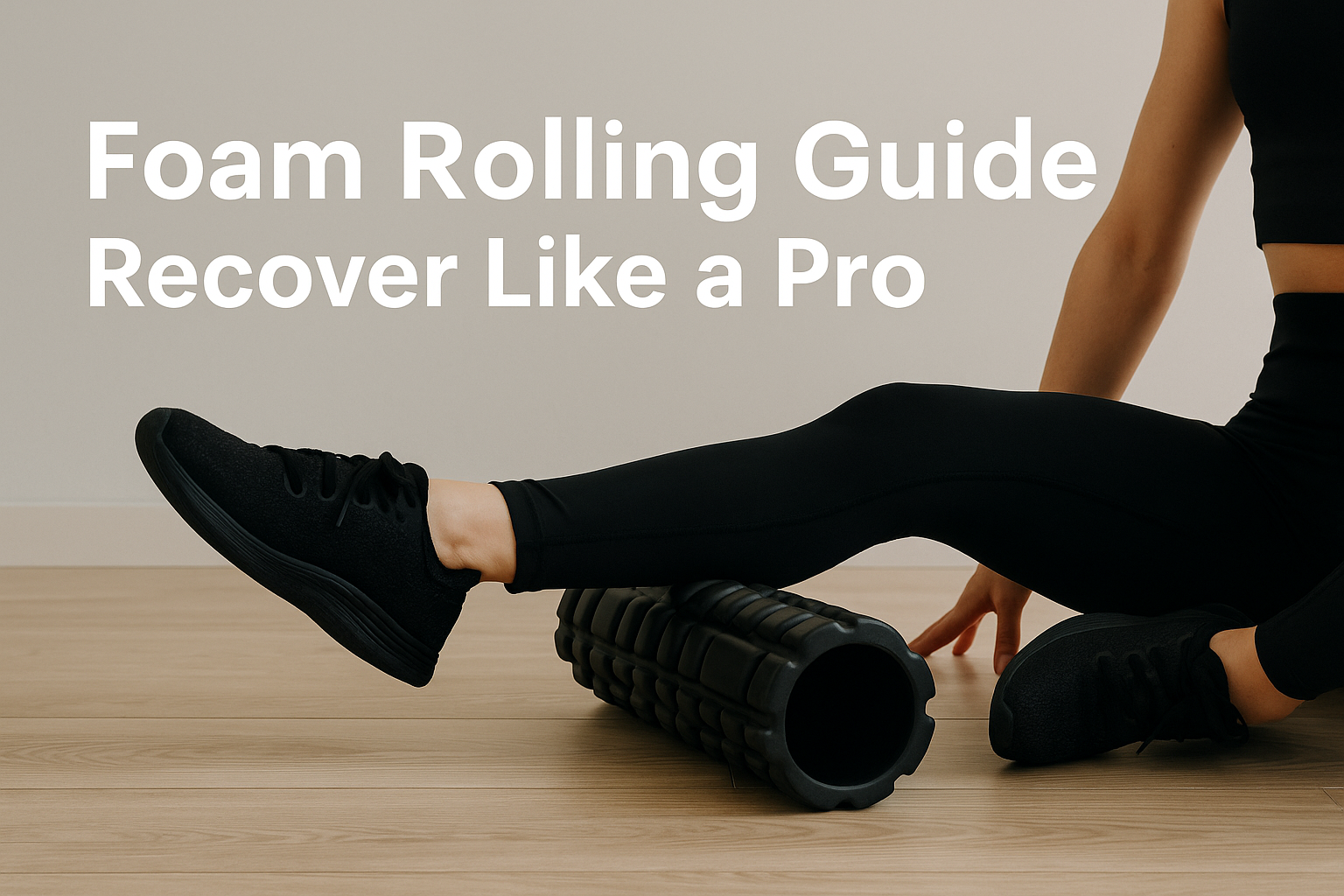
Foam rolling is one of the simplest yet most effective recovery tools you can add to your routine. By using a foam roller to apply pressure to your muscles, you’re practicing self-myofascial release, which helps break up adhesions, improve circulation, and speed up recovery. Discover the top foam rolling benefits and learn how to roll key muscle groups like a professional athlete.
Why Foam Rolling Matters
- Reduces Muscle Soreness: Rolling out lactic acid and metabolic waste eases post–workout stiffness.
- Improves Flexibility: Regular myofascial release enhances joint range of motion.
- Speeds Recovery: Increased blood flow delivers nutrients and oxygen to fatigued tissues.
- Prevents Injury: Relieving tight spots reduces risk of strains and overuse injuries.
How to Foam Roll: Key Techniques
1. Calves
- Sit with your legs extended, foam roller under one calf.
- Lift hips off the floor and roll from ankle to just below the knee.
- Pause and hold on any tender spots for 20–30 seconds.
- Repeat 1–2 minutes per leg.
2. Quadriceps
- Lie face down, roller under thighs.
- Support upper body on forearms and roll from hip crease to top of kneecap.
- Focus on tight areas, holding for a few seconds.
- Roll each leg for 1–2 minutes.
3. IT Band
- Lie on your side with foam roller under outer thigh.
- Use opposite leg and forearm to control pressure.
- Roll from hip to just above the knee, avoiding direct joint pressure.
- Work each side for 1–2 minutes.
4. Glutes
- Sit on foam roller with one ankle crossed over opposite knee.
- Lean into the side of the crossed leg and roll from tailbone to top of thigh.
- Hold on tight spots for 20–30 seconds.
- Switch sides and repeat.
5. Upper Back
- Lie on your back with roller under shoulder blades, knees bent, feet flat.
- Cross arms over chest or support head lightly.
- Roll from upper traps to mid–back, avoiding lower lumbar region.
- Perform 1–2 minutes of rolling.
6. Lats
- Lie on one side, roller under armpit perpendicular to body.
- Extend bottom arm and roll from armpit down to mid–rib.
- Use opposite arm and leg for support and control.
- Spend 1–2 minutes per side.
Tips for Effective Self-Myofascial Release
- Start Gently: Use your body weight to control pressure—lighten up if it’s too intense.
- Breathe Deeply: Relax muscles by inhaling and exhaling steadily.
- Stay Hydrated: Water supports tissue repair and flushes out toxins.
- Consistency Is Key: Roll 3–5 times per week, especially after tough workouts.
- Avoid Joints: Focus on muscle bellies and stay clear of bones and joints.
Putting It All Together
Combine foam rolling with dynamic warm-ups before training and static stretches afterward to maximize performance and recovery. Aim for a total of 10–15 minutes per session, and adjust the order based on your own tightness and needs. These simple recovery tools and self-myofascial release techniques will help you recover like a pro and keep you moving pain-free.
Conclusion
Incorporating a targeted foam rolling routine into your fitness plan unlocks significant foam rolling benefits: reduced soreness, improved mobility, and enhanced injury prevention. Use these step-by-step techniques on your calves, quads, IT band, glutes, upper back, and lats to maintain muscle health and support your training goals.